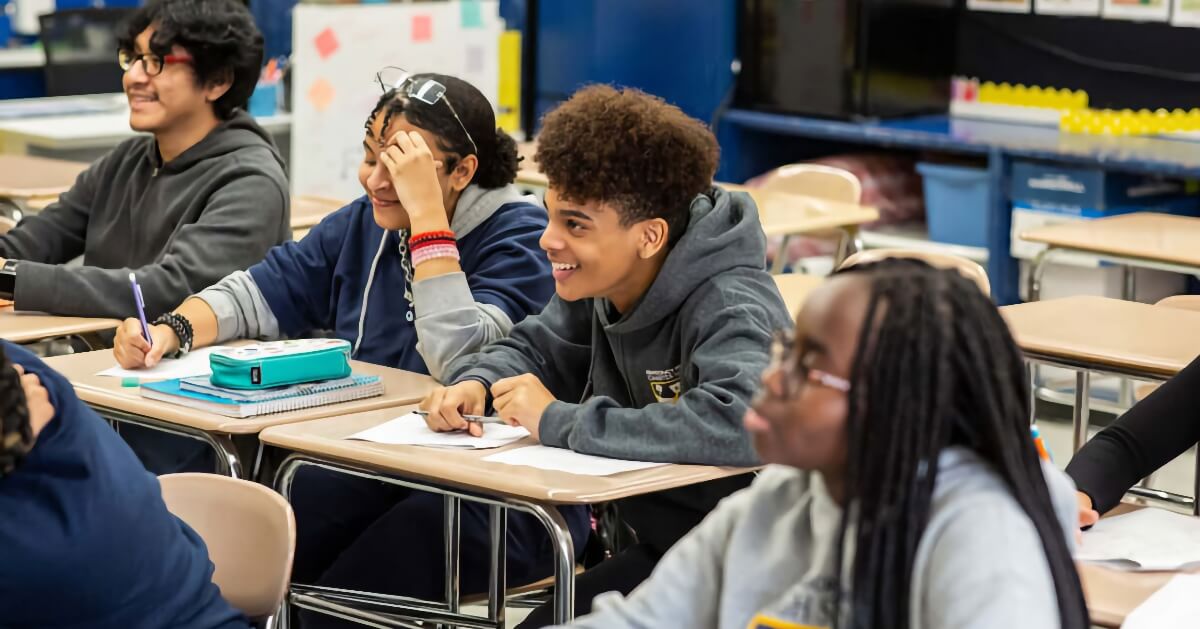


In the quiet of a classroom, courage can take many forms. Sometimes it looks like a teacher sliding a worn clipping from the Chicago Defender across a desk, telling students about an activist or organizer whose name never made it into the state-issued textbook. Sometimes it is a professor at a Black college urging their students to remember that their education is not just for a job, but for freedom. And sometimes it is a principal shielding a young teacher from the wrath of the central office, determined to control what can and cannot be said.
These moments, small and large, remind us that American education has never been neutral ground. It has always been a site of struggle, a place where the battle over truth and democracy plays out in the lives of young people.
Today, that struggle is back in the open. And once again, leaders must decide: Will they protect their own comfort, or will they defend the truth?
Across the country, schools have become flashpoints for controversy. Book bans have swept through libraries, targeting titles that center Black, Indigenous, immigrant, and LGBTQ+ voices. Laws have been written to restrict how teachers talk about race, gender, and even democracy itself. The language is familiar: those who insist on honest teaching are accused of “indoctrination.” The effect has been chilling. In some districts, teachers have quietly removed books before they can be challenged. Lessons that once encouraged students to wrestle with questions of justice and inequality have vanished. Educators now weigh every word, asking themselves, “Will this draw the wrong kind of attention?”
In the face of this fear, too many educational leaders have chosen silence. Some tell themselves they are protecting the institution by staying neutral. Others hope the controversy will burn itself out. But history teaches us that silence is never neutral. It is a decision, one that strengthens those who would strip educational practices of their integrity. During segregation, Black educators knew something about working under conditions meant to silence them. State-approved textbooks either erased Black life entirely or reduced it to caricature. Inspectors walked the halls, looking for reasons to discipline those who strayed from the official script. Teaching the truth could cost a job. And yet, many refused to comply. Teachers in one-room schools told their students about Africa’s ancient kingdoms. They recounted the lives of abolitionists and freedom fighters. They reminded children that they belonged to a lineage of struggle and achievement, even if the textbooks denied it.
At historically Black colleges and universities, professors carried this work further, preparing generations of young people not only for careers but for citizenship and activism. These schools became incubators for the Civil Rights Movement, producing leaders who challenged segregation and forced the nation to reckon with its contradictions. These educators were not reckless; they were resolute. They understood that education was never just about reciting facts; it was about understanding the world. It was about shaping how students saw themselves in relation to the world. Their courage helped sustain communities through some of the darkest chapters of American history.
Fast forward to today, and the echo is unmistakable. The Trump administration popularized the idea that honest teaching about systemic racism was “divisive.” Reports like the “1776 Commission” offered a narrow patriotic myth as a substitute for history. That framework did not fade with the administration; it has lingered, fueling laws, board resolutions, and organized campaigns to intimidate teachers into silence. The tactics are working. Teachers whisper to one another about which topics feel “too risky.” Librarians wonder if they should pull books before they are targeted.
Students notice when discussions stop short, when lessons skirt around the hardest truths. What they learn is not just history, it is the lesson of fear.
The costs of this silence ripple outward.
Students are the first to pay. A Black child learns that her history is optional. A white child learns that uncomfortable truths can be ignored. Both are left with a fractured understanding of their country. Instead of being prepared for the complexities of civic life, they are handed a simplified story that collapses under scrutiny.
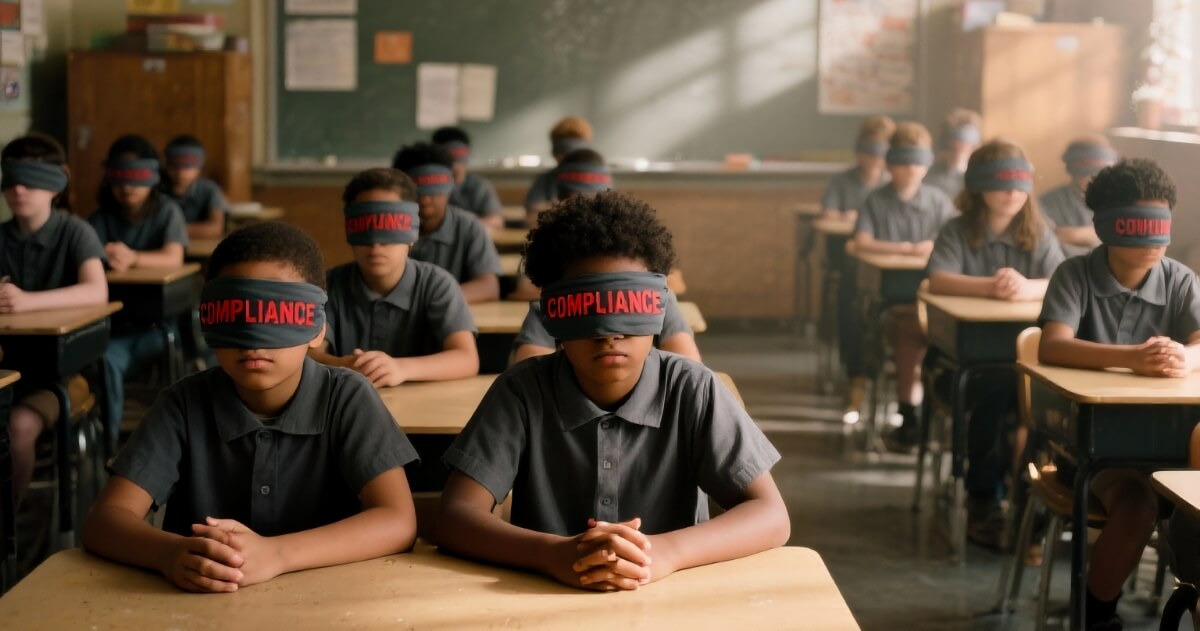
Teachers pay, too. Without visible support from their leaders, many feel isolated and unprotected. The profession that once demanded creativity and courage begins to shrink into compliance. Some teachers leave altogether, exhausted by the sense that their calling has been reduced to a political liability.
And communities pay. Parents who want their children to learn the whole truth lose confidence in schools that bend to intimidation. The public trust erodes. Schools that should be the bedrock of democracy begin to look like institutions built on sand.
What, then, does leadership demand at this moment? It demands confrontation not with reckless anger, but with moral clarity.
Educational leaders must be willing to say that schools are not indoctrination camps but laboratories of inquiry. They must insist that democracy requires honest history, not comforting myths.
This cannot remain abstract. Leadership must be visible and concrete. It means standing beside teachers when they face attacks. It means protecting curricula and classrooms from censorship. It means providing the training and resources educators need to navigate difficult conversations rather than avoiding them. It means working alongside families and communities that believe inclusive learning is not a threat, but a public good. To take these stands is not easy. It may bring political consequences or professional risk. But history reminds us that progress in education has never come from leaders who played it safe. It has always come from those willing to stake their reputations on the belief that young people deserve the truth.
The educators who taught during segregation understood that every lesson carried a message: either students were invisible, or they were central to the American story. Their courage ensured that children grew up knowing they were part of something larger than themselves.
Today’s leaders face the same choice. Will they pass on a culture of silence, teaching students that truth is negotiable? Or will they model the courage that democracy requires, showing young people that even in turbulent times, integrity matters more than fear?
The controversy around education will not disappear. It is here, and it will continue to test our schools. The question is not whether the pressure exists, it is whether leaders will confront it or retreat.
History offers a clear verdict. Educational leadership is remembered not for the controversies it avoided but for the truths it defended. Black educators across generations have shown us what it means to confront authority, to teach honestly in the face of suppression, and to view education as a practice of freedom. Now the mantle has passed. Students and teachers are watching. Communities are listening. The story of this moment will depend on whether leaders choose complicity or courage. History will not remember those who kept schools quiet. It will remember those who kept them honest. And honesty, in the end, is what democracy requires.