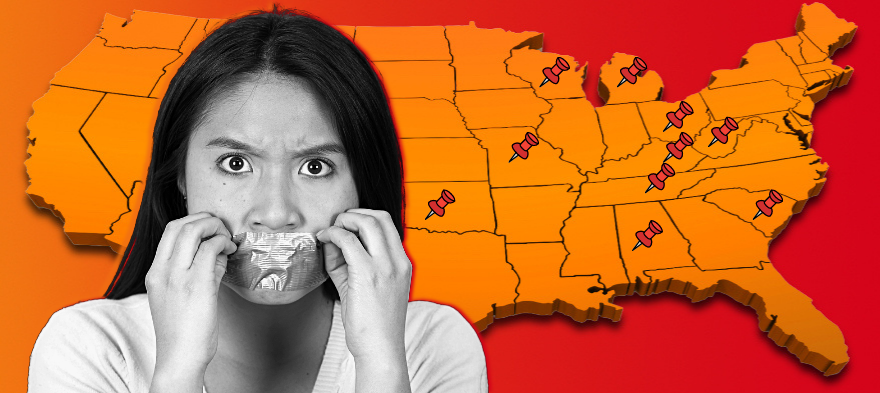

Last year, the obscure legal term “critical race theory” exploded into public consciousness, just months after conservative activist Christopher Rufo and Donald Trump began using the phrase as shorthand to criticize diversity training in federal workplaces. Their effort to silence conversations about race, gender and the truth about U.S. history gained huge momentum in 2021.
State legislatures jumped on the bandwagon. Between January and September, legislators in 24 states sponsored 54 bills banning or limiting discussion of racism and/or sexism. As PEN America noted in their recent report,
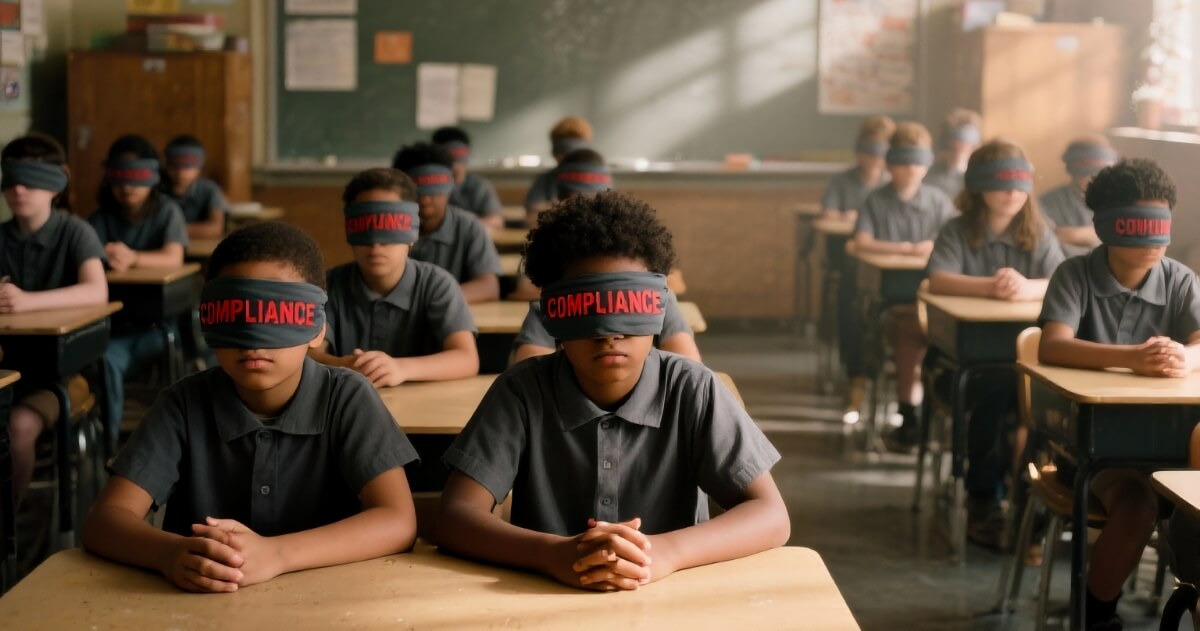
These bills appear designed to chill academic and educational discussions and impose government dictates on teaching and learning. In short: They are educational gag orders.
At least 11 of them became law in 2021.
And, more are likely on the way.
Many legislators have already prefiled bills to muzzle these discussions in K-12 and college classrooms. Though some of the bills include language that allows for “impartial” discussion of these topics, lack of clarity around what would be considered impartial discussion of race, gender, and history versus compelling students to assent to particular ideas related to those topics, means that in practice, teachers might simply avoid those topics as much as they can.
Here are 10 states to watch, with bills already teed up for debate–and possibly passage–in 2022.
- Alabama has three bills ready for legislative action in 2022, including one that bans the use of any curriculum “directing or otherwise compelling any student to personally affirm, adopt, or adhere” to the supposed tenets of critical race theory. Teachers in public school or in colleges and universities who violate the ban could be fired.
- Kentucky has two bills pending, including one that forbids any kind of mandatory training related to gender or sexual diversity.
- Michigan’s pending bill bans schools from using “The 1619 Project” as classroom curriculum. Schools that defy the ban would lose 5% of their state funding.
- Missouri already has seven bills prefiled, the most of any state.
- Ohio legislators will consider a bill that would ban all private funding for curriculum and professional development related to social studies courses.
- Oklahoma already banned mandatory training on “gender diversity” in 2021. This year, lawmakers will debate banning schools’ use of “The 1619 Project.”
- South Carolina has four bills pending.
- Tennessee will consider a ban on all textbooks and instructional materials that “promote, normalize, support or address lesbian, gay, bisexual or transgender (LGBT) lifestyles.”
- West Virginia has two bills pending; one of which would allow schools to fire teachers for teaching, instructing or training students to believe in “divisive concepts.” See if it has a clause about impartial discussion
- Wisconsin has three bills pending, which together would prohibit teaching or training all state employees, including K-12 teachers and college professors, in ways determined to promote “race or sex stereotyping.” Schools violating these orders would have funding withheld and be open to lawsuits.