



Feb 23, 2018 12:00:00 AM
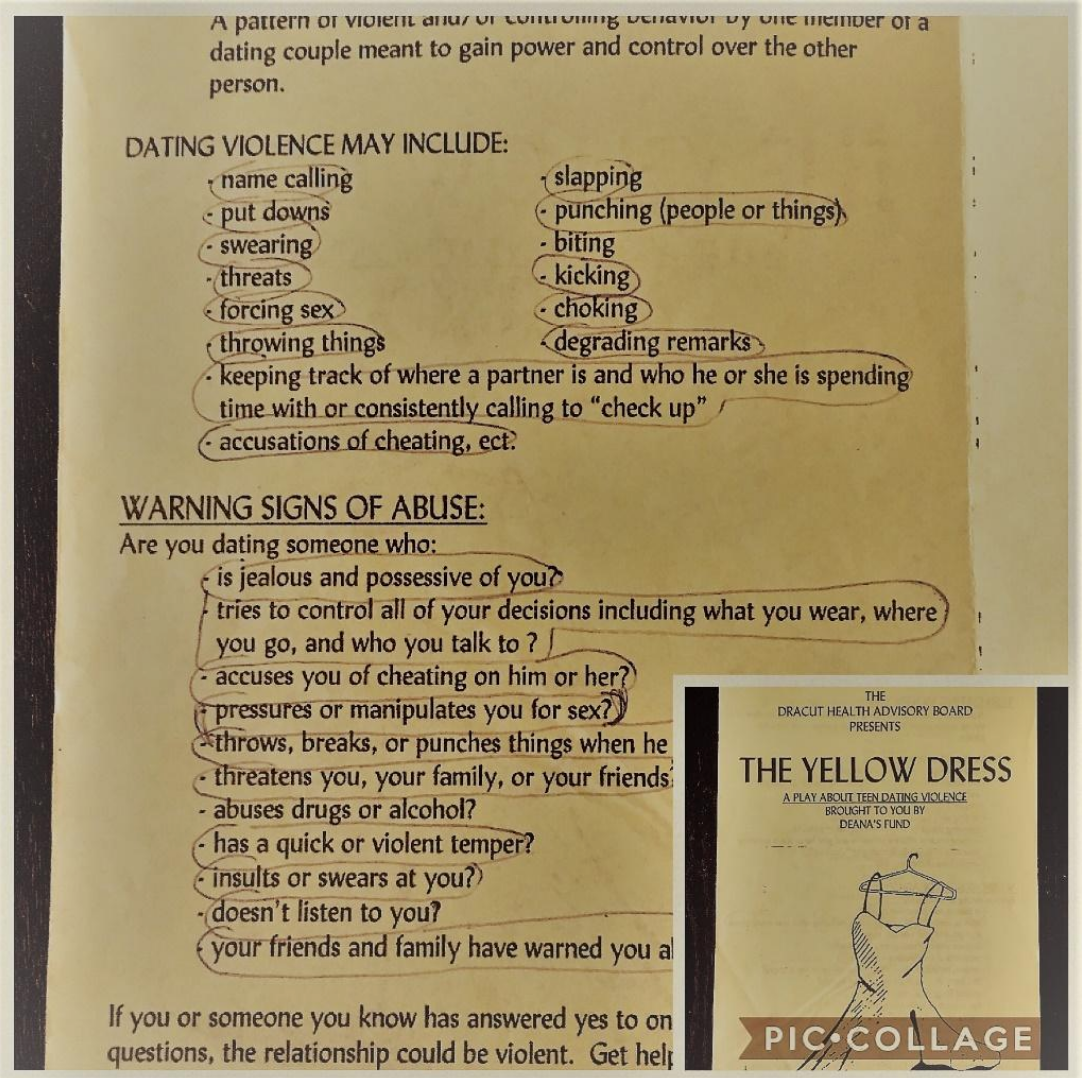 At the end of the play, the young woman is murdered. I walked out of the auditorium feeling dizzy and disoriented. I was brought back to earth when the superintendent, who was standing in the doorway, placed her hand gently on my arm and said, “We can’t let that happen to our students, can we?” I was so taken aback I blushed. “No,” I said meekly as I walked out the door. How did she know? Why didn’t she reach out to me? I later learned that my school was required to address teen dating violence in compliance with
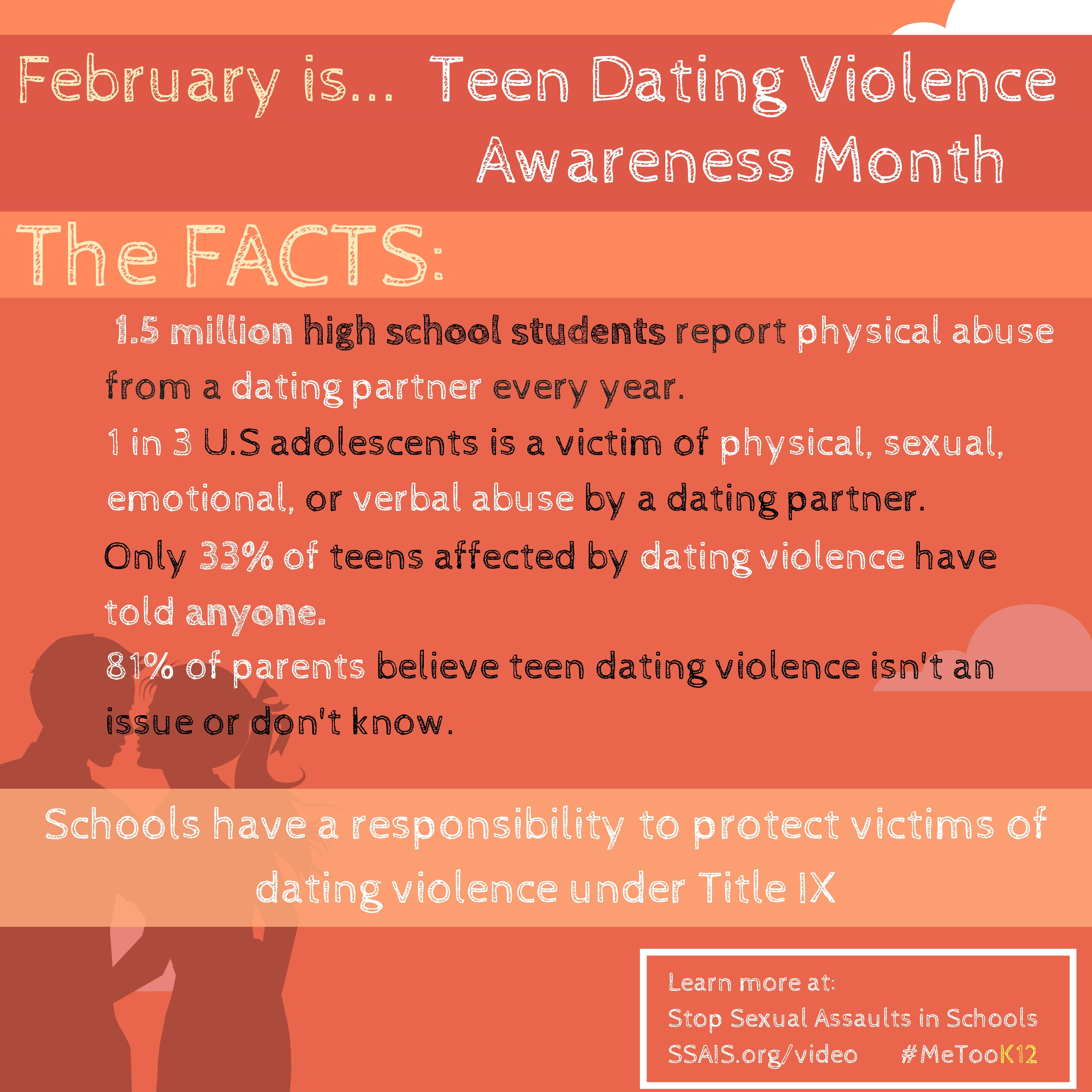
Title IX, a federal civil rights law that aims to prevent discrimination against girls and women in education. It is clear to me now that the school didn’t understand their obligations under Title IX to protect students from sexual harassment and assault. I would be a different person if it had. A few days later, I told a guidance counselor that I had broken up with my boyfriend and that he was harassing me and threatening to kill himself. She referred me to the crisis counselor and the crisis counselor recommended that I get a restraining order. I am very thankful to my school for inviting “The Yellow Dress” to perform and for recognizing the threat of teen dating violence. It was an intervention that only I knew about. I had been rescued. But with an intervention, there is
a plan in place to ensure safety and success in the aftermath. That structure never came. Looking back, I know that this is what I needed: my teachers to tell me that they were there if I needed to talk or if I needed help; to know that I wasn’t alone; consistent counseling; someone to ask me if I was OK; someone to tell me that what happened was, unequivocally, abusive and violent; someone to hear my story, carry my story, so that I didn’t have to do it alone. I needed someone to tell me: “Yes, you were raped. I am so sorry. What do you need?” I also needed the school to remember. After the restraining order expired, I needed them to intervene when we were fighting outside my locker. I always wondered, “Why has no one asked if I am OK with this?”
At the end of the play, the young woman is murdered. I walked out of the auditorium feeling dizzy and disoriented. I was brought back to earth when the superintendent, who was standing in the doorway, placed her hand gently on my arm and said, “We can’t let that happen to our students, can we?” I was so taken aback I blushed. “No,” I said meekly as I walked out the door. How did she know? Why didn’t she reach out to me? I later learned that my school was required to address teen dating violence in compliance with
Title IX, a federal civil rights law that aims to prevent discrimination against girls and women in education. It is clear to me now that the school didn’t understand their obligations under Title IX to protect students from sexual harassment and assault. I would be a different person if it had. A few days later, I told a guidance counselor that I had broken up with my boyfriend and that he was harassing me and threatening to kill himself. She referred me to the crisis counselor and the crisis counselor recommended that I get a restraining order. I am very thankful to my school for inviting “The Yellow Dress” to perform and for recognizing the threat of teen dating violence. It was an intervention that only I knew about. I had been rescued. But with an intervention, there is
a plan in place to ensure safety and success in the aftermath. That structure never came. Looking back, I know that this is what I needed: my teachers to tell me that they were there if I needed to talk or if I needed help; to know that I wasn’t alone; consistent counseling; someone to ask me if I was OK; someone to tell me that what happened was, unequivocally, abusive and violent; someone to hear my story, carry my story, so that I didn’t have to do it alone. I needed someone to tell me: “Yes, you were raped. I am so sorry. What do you need?” I also needed the school to remember. After the restraining order expired, I needed them to intervene when we were fighting outside my locker. I always wondered, “Why has no one asked if I am OK with this?”

Leave a Comment