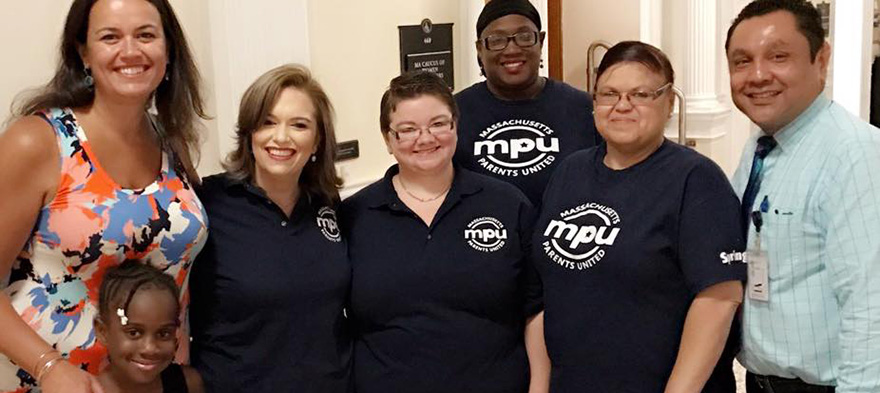

A few years ago, at a convening of education advocates, one veteran in the reform movement highlighted the lack of racial diversity in the room and vowed to refuse to appear on any panels that did not include African-Americans and/or Latinos. To its credit, the education reform movement has woken up to the importance of diversity. People of color are increasingly present at conferences triggering more conversations around issues of social justice, diversity in teaching, race and segregation. Today, we’re not just talking about achievement gaps, but also opportunity gaps. We’re talking more about the everyday lives of our students along with their classroom accomplishments. Several major reform organizations are now led by people of color, including Teach For America, Democrats for Education Reform (DFER) and Education Trust. What is most encouraging are the newest voices emerging in the conversation—parents. A recent event at the American Enterprise Institute featured Connecticut parent advocate Gwen Samuel sharing the stage with Beltway policy analysts breaking down a poll. The Annual Excel in Ed conference, which was held in Nashville this year, featured a parent panel moderated by Minnesota parent advocate Chris Stewart. Stewart runs the Wayfinder Foundation, which gives grants to women-led organizations fighting for better schools. And one of the highlights of DFER’s annual conference, which was held in DC this year, was a speech by Sarah Carpenter, the inspiring leader of Memphis Lift, an organization of parents demanding more voice and choice for their children. Elsewhere in the education advocacy space, there are organizations like Massachusetts Parents United, an advocacy group run by Boston Latina Keri Rodriguez and California-based La Comadre, a network of blogs elevating the voices of Latina parents. Rhode Island’s Erika Sanzi, San Antonio’s Inga Cotton, Seattle’s Matt Halvorson, New Jersey’s Laura Waters, New York’s Alina Adams, Nashville’s Vesia Hawkins, Fort Lauderdale’s Kerry-Ann Royes, Detroit’s Brian Love and Bernita Bradley, and Minneapolis’ Beth Hawkins are all putting parent voice at the center of education debates.
Putting Parents at the Center
Many education advocates have also entered the ranks of parents and are evaluating reform through a more personal lens, reflecting openly on their own choices. Even reform opponents face pressure to rationalize their own personal choices as parents, especially if they oppose the kinds of school choices they exercised for their own children. As we look to the new year, all of us working to improve schools should remember that reform works best when it’s driven by those with the most at stake—parents, teachers and students. Education conference organizers eager to bring greater passion and authenticity into the discussion should include more parents on panels, along with the educators and experts whose classroom experience and policy analysis helps inform discussion. While we rightfully value “evidence-based reform,” we should be equally committed to securing the parent’s seal of approval before pushing changes that affect the work of teachers and the lives of children. The ultimate measure of our success is not just data showing results but demand for more of whatever it is that reform offers. [pullquote position=”right”]School choice thrives where it is both needed and wanted.[/pullquote] Accountability is not merely a technocratic exercise for bureaucrats but a system of empowering parents to create the schools they want for their children. It’s a way of answering the simple but important question on the mind of every parent: Is my child learning? Whether it is restorative justice, open enrollment, personalized learning or other emerging ideas in the education landscape, success will only happen and go to scale if parents are the champions of the change. So, in an education system where more than half of the students are people of color and more than half come from low-income backgrounds, racial and economic diversity in the dialogue matters immensely. As Chris Stewart often laments, too often, people in education are, “talking about us, without us.” Similarly, with 50-60 million school-age children in America, there are a comparable number of energetic, curious and hopeful parents out there who are fighting to be heard and vital to our collective success. We can work harder to lift their voices, empower them, respect them and, ultimately, follow them.